
Post
iPhone 6s: The Smartphone That Defined a Generation
May
iPhone 6s: The Timeless Icon That Redefined the Smartphone Experience
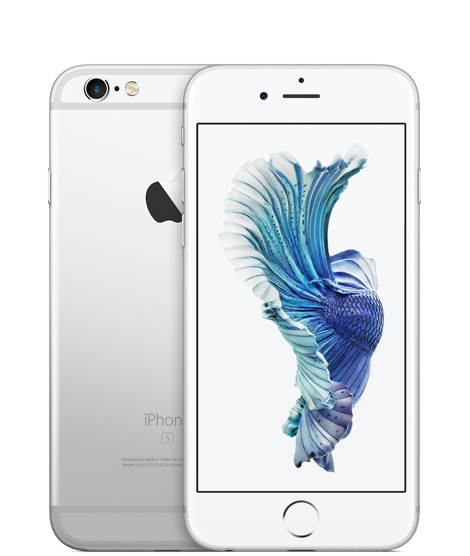
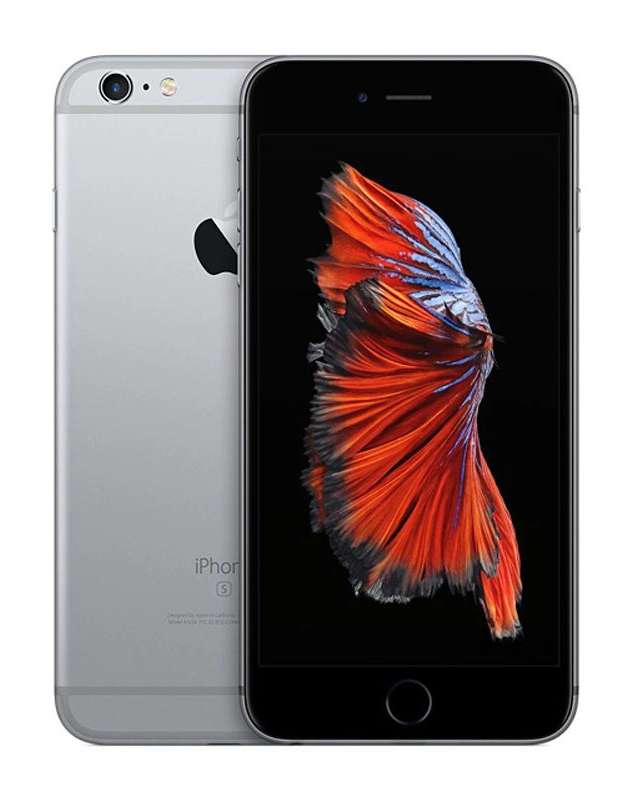
In the fast-paced world of technology, where devices are often rendered obsolete within 24 months, the iPhone 6s stands as a rare anomaly. Released in 2015, this device did not just represent an “s” upgrade; it served as a fundamental turning point in mobile engineering. Even by today’s standards in 2026, looking back at the iPhone 6s is a journey into the DNA of what makes a smartphone truly great.
1. Industrial Design: The 7000-Series Revolution
When Apple introduced the iPhone 6s, the design language was already familiar, yet the internal and material overhaul was profound. The most significant advancement was the transition to 7000-series aluminum.
This change addressed the structural concerns of the previous generation, creating a chassis that was remarkably rigid and resistant to bending. The precision of the machining was unparalleled at the time. Furthermore, the introduction of Rose Gold signaled a new era where smartphones were no longer just tools, but extensions of personal identity and fashion. The 4.7-inch display and the compact, rounded-edge chassis created a “one-handed” ergonomics standard that many power users still pine for in the era of increasingly large flagship devices.
2. Performance: The Power of the A9 Chip
The heart of the iPhone 6s was the A9 processor. To call it a leap forward would be an understatement. The A9 brought desktop-class performance to the palm of your hand, providing a fluid experience that effectively eliminated UI stuttering.
RAM Upgrade: Moving to 2GB of RAM was a monumental decision. It allowed for true multitasking, where background applications remained active for longer periods, fundamentally changing how users navigated their digital lives.
The Second-Gen Touch ID: The iPhone 6s featured the second generation of Apple’s biometric sensor. It was famously fast—so fast that users complained they couldn’t see their lock screen notifications before the phone unlocked. This speed set a gold standard for biometric authentication.
3. The 3D Touch Innovation: A Bold Attempt at Future Interaction
Perhaps the most ambitious feature of the iPhone 6s was 3D Touch. By integrating pressure sensitivity directly into the display layer, Apple added a “third dimension” to touch input.
While the industry struggled to replicate this technology, for the iPhone 6s user, it was revolutionary. It allowed for “Peek and Pop” navigation, quick actions from the home screen, and a more interactive way to handle emails and notifications. It was a bold attempt to rethink mobile interaction that proved Apple’s willingness to experiment with hardware-software synergy. While Apple eventually pivoted to Haptic Touch, the 3D Touch era remains a fascinating chapter in how the company tried to redefine the tactile relationship between human and screen.
4. Camera Mastery: Moving Beyond 8MP
For years, Apple had remained committed to an 8-megapixel sensor. The iPhone 6s shattered that trend by introducing a 12MP camera.
Detail and Clarity: The increase in resolution brought a new level of crispness to everyday photography.
Live Photos: The introduction of Live Photos was a stroke of genius. By capturing 1.5 seconds of movement before and after the shutter press, the iPhone 6s transformed static images into “living” memories. It turned the iPhone camera from a tool for recording data into a tool for recording emotion.
4K Video Recording: This was the moment the iPhone became a legitimate tool for videographers. The ability to shoot 4K video at 30fps provided creators with professional-grade footage in a device that fits into a pocket.
5. Software Longevity: A Masterclass in Support
The true metric of a smartphone’s value is how long it remains useful. The iPhone 6s achieved the unthinkable by being supported through an incredible span of iOS versions, ranging from iOS 9 to iOS 15.
This level of software support is virtually unheard of in the industry. It speaks volumes about the original hardware capability of the A9 chip and the meticulous optimization Apple invested in this specific model. Even years after its release, the phone remained a daily driver for millions, providing security updates and new features long after its successor generations had arrived. This commitment to longevity is precisely what built the immense brand loyalty Apple enjoys in 2026.
6. Cultural Impact and the “Pro” Legacy
The iPhone 6s was arguably the first “Pro” experience in the non-Pro lineup. It balanced the needs of casual users with the requirements of power users who demanded speed, a reliable camera, and secure, high-quality hardware. It established the “Pro” template that Apple would later formalize with the Pro series: high-end materials, industry-leading silicon, and an ecosystem that feels cohesive and reliable.
Beyond the specs, the iPhone 6s was a social phenomenon. It was the device that democratized high-quality mobile filmmaking and professional-looking social media content. It bridged the gap between the “utility phone” of the early 2010s and the “content creator powerhouse” that we see in the iPhone 17 Pro today. Without the groundwork laid by the 6s in terms of reliable camera performance and app optimization, the current creator-centric smartphone market might look vastly different.
7. The 6s in 2026: Why it still resonates
Even in a world dominated by the iPhone 17 Pro, the iPhone 6s retains a cult following. For many, it represents a period of “peak simplicity”—a time when the design was focused on the essentials of human interaction without being overwhelmed by excessive sensor arrays or AI-driven noise. Collectors appreciate its sleek profile, its mechanical “click” of the home button, and its place in history as the bridge to the modern era.
It serves as a constant reminder that Apple’s strength does not lie only in the newest gimmick, but in the foundational stability of their hardware-software combination. To hold an iPhone 6s today is to hold a physical representation of how Apple changed the world.
Conclusion: Why the iPhone 6s Is Forever
The iPhone 6s is a testament to the fact that great technology does not age; it matures. It was a device that prioritized the user experience above mere specifications, focusing on how the hardware felt in the hand and how the software responded to the touch.
While we look forward to the innovations of 2026, the iPhone 6s remains a benchmark for quality. It serves as a reminder that the best technology is that which disappears into the background, allowing the user to create, connect, and explore without friction. For collectors, tech enthusiasts, and historians alike, the iPhone 6s will always occupy a special place in the smartphone hall of fame. It wasn’t just a phone—it was a statement of purpose.
