
Post
iPhone 11: The Breakthrough Flagship That Democratized Pro Features
May
iPhone 11: The Breakthrough Flagship That Democratized Pro Features
In the history of Apple’s smartphone lineup, there are moments of refinement and moments of true disruption. The iPhone 11, released in 2019, represents the latter. Coming at a time when the smartphone market was beginning to feel stagnant, the iPhone 11 arrived as a bold declaration that premium technology didn’t necessarily have to be reserved for the highest-priced “Pro” models. By delivering a flagship experience at a more accessible price point, the iPhone 11 became the best-selling smartphone of its generation and a benchmark for what a daily-driver device should be.
1. Design Philosophy: Color, Personality, and Durability
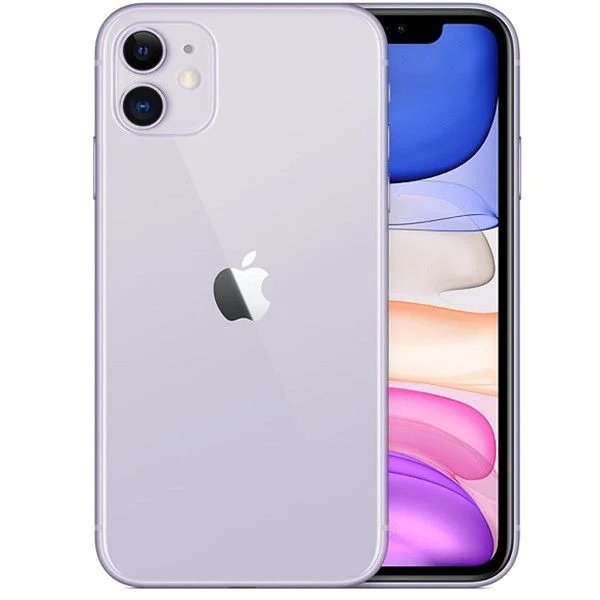
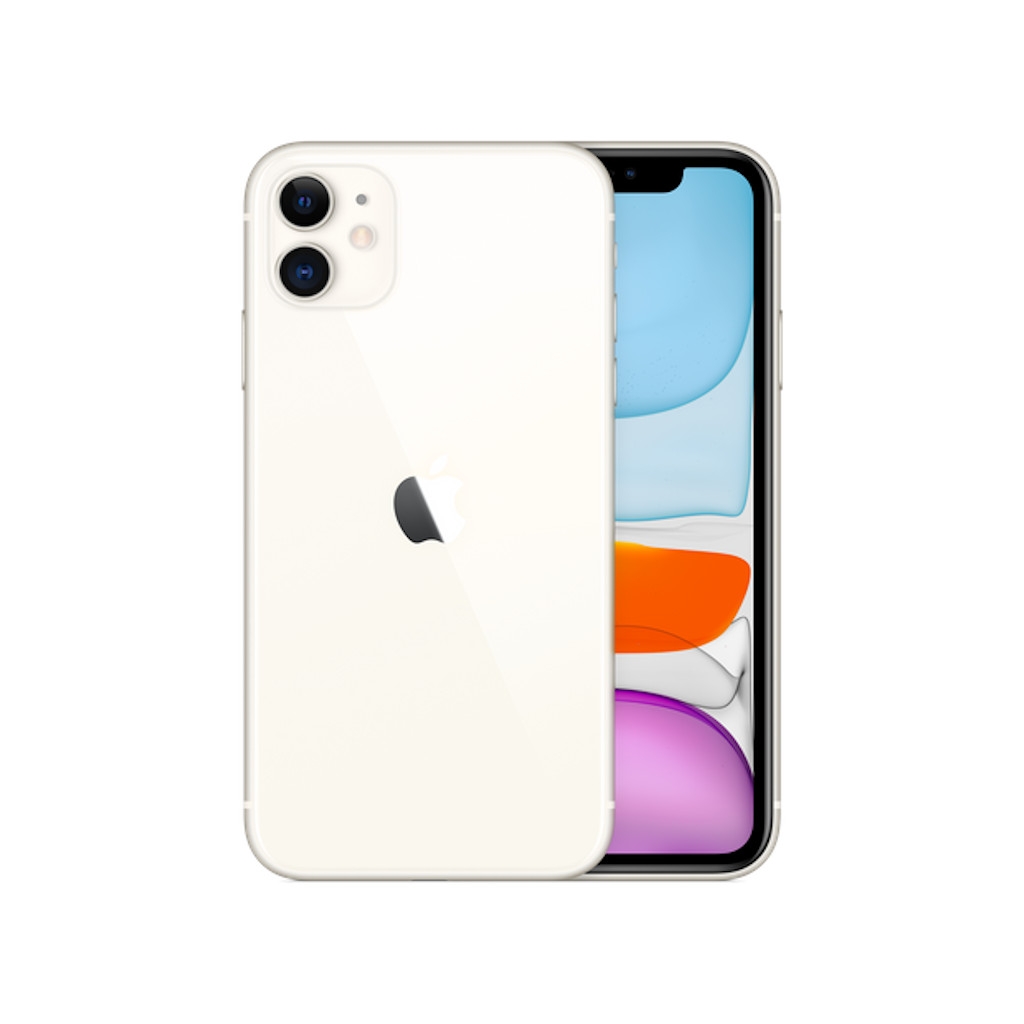
The iPhone 11 marked a shift in Apple’s design strategy. While the “Pro” models focused on sterile, minimalist aesthetics, the iPhone 11 embraced color and personality. It was offered in a vibrant spectrum—including Purple, Yellow, Green, and the classic Product(RED)—which turned the smartphone into a fashion statement for a younger, more dynamic generation.
Material Innovation: Built with a sophisticated glass back and an aluminum frame, the device was not just about looks; it was about resilience. Apple touted the glass used in the iPhone 11 as the toughest ever in a smartphone at the time, utilizing a dual-ion exchange process to ensure it could withstand the bumps and drops of everyday use.
Ergonomics: With its 6.1-inch Liquid Retina display, the iPhone 11 hit the “Goldilocks zone” of screen size. It was large enough for immersive media consumption but compact enough to remain comfortable in the hand. This balance between form and function is precisely why the 6.1-inch form factor remains a core part of the iPhone lineup in 2026.
2. The Performance King: The A13 Bionic
At the center of the iPhone 11’s success was the A13 Bionic chip. This processor was, and remains, a masterpiece of silicon engineering. Even in 2026, the A13 provides enough headroom for virtually any task a standard user might perform.
Computational Power: The A13 was designed with a focus on machine learning and energy efficiency. It allowed the device to handle complex background tasks—like real-time image processing and system optimization—without draining the battery.
Gaming and Multitasking: The GPU performance in the A13 Bionic was so far ahead of the curve that it transformed the iPhone 11 into a capable gaming handheld. It could run graphically demanding titles with ease, proving that Apple’s chip lead was not just a marketing claim, but a tangible advantage that extended the longevity of the hardware for years.
3. The Camera Revolution: Dual-Lens Versatility
Before the iPhone 11, the “standard” iPhone camera was often seen as inferior to the “Plus” or “Pro” models. The iPhone 11 shattered this perception. By introducing a dual-camera system featuring an Ultra-Wide lens, Apple granted users a new creative tool that had previously been locked behind a higher price tag.
The Ultra-Wide Experience: The addition of the 120-degree field-of-view sensor opened up architectural, landscape, and group photography in ways that were previously impossible.
Night Mode: This was the true game-changer. The iPhone 11 introduced Night Mode, which utilized the A13 Bionic’s computational power to capture incredibly detailed shots in low-light environments. It effectively removed the need for a tripod or professional lighting, democratizing low-light photography.
Portrait Mode and Smart HDR: With refined depth control and improved Smart HDR, the iPhone 11 produced professional-looking portraits and balanced high-contrast scenes that made every user feel like a skilled photographer.
4. Battery Life: The Endurance Champion
One of the most persistent complaints about smartphones in the late 2010s was battery anxiety. The iPhone 11 directly addressed this by offering a significant leap in battery life compared to its predecessors. Thanks to the efficiency of the A13 Bionic and a physically larger battery, the iPhone 11 was widely considered a “full-day” device. For a large percentage of users, it was the first iPhone they didn’t have to top up with a power bank before the end of the workday, fundamentally changing how the device was integrated into their daily routines.
5. Software Longevity and the Ecosystem
Like the iPhone 6s and the iPhone 12, the iPhone 11 is a testament to the power of the Apple ecosystem. Its hardware was so well-optimized that it continued to receive major iOS updates long after its release. This long-term software support is a critical component of its success; users who bought the phone in 2019 were able to use it as a primary device well into the mid-2020s without feeling left behind by new software features.
The integration with services like iCloud, iMessage, and the broader Apple ecosystem made the iPhone 11 an entry point for millions of users. It provided the complete “Apple experience”—seamless, secure, and intuitive—without the high barrier to entry of the Pro models.
6. The 11 in 2026: Why It Still Matters
Seven years after its release, the iPhone 11 still holds a special place in the hearts of tech enthusiasts. It is often cited as the “best value” iPhone ever made. In 2026, many people still keep an iPhone 11 as a backup device, a specialized camera, or a gift for younger family members. Its ability to still perform modern tasks—from video calls to light video editing—is a testament to the extreme quality of the 2019 build.
It remains a symbol of a time when Apple successfully pivoted its strategy to offer premium features to a wider audience. It proved that you didn’t need the “Pro” label to get a professional-quality experience.
Conclusion: A Benchmark for Value
The iPhone 11 was not just a product; it was a strategy that paid off. By refining the camera, boosting the battery, and packing it with the same silicon as the most expensive models, Apple created a device that was impossible to ignore.
While the iPhone 17 Pro represents the absolute bleeding edge of 2026 technology, the iPhone 11 remains the foundation of the modern “standard” iPhone philosophy. It taught us that the gap between a flagship and a mid-range device can be bridged with clever software, incredible silicon, and a design that prioritizes the user. For anyone who appreciates great hardware that stands the test of time, the iPhone 11 will always be remembered as the phone that proved that “great” doesn’t have to come at a premium price.
