
Post
iPhone 4s: The Device That Changed Everything
May
iPhone 4s: The Legend That Introduced Siri and Changed Apple Forever
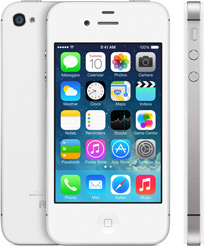
In the history of Apple, there are devices that refined the market, and then there are devices that fundamentally altered the course of history. The iPhone 4s, released in 2011, is firmly in the latter category. Arriving at a time of transition for the company, the iPhone 4s stands as one of the most iconic smartphones ever crafted. It was the last device personally overseen by Steve Jobs, and it serves as the bridge between the early, pioneering years of Apple and the global juggernaut it would eventually become.
1. Design: The Pinnacle of Industrial Minimalism
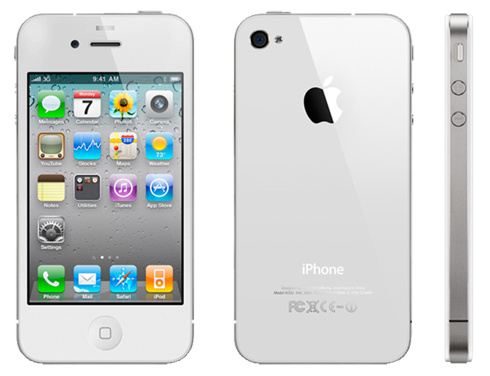
The iPhone 4s retained the stunning “glass-and-stainless-steel sandwich” design introduced by the iPhone 4, but perfected the internals. Even by 2026 standards, the iPhone 4s feels like a piece of high-end jewelry rather than a utilitarian piece of plastic.
Surgical-Grade Stainless Steel: The band around the edges of the device acted as the antenna system, a bold design choice that created a seamless, cohesive aesthetic.
The Glass Finish: The front and back glass panels provided a premium tactile feel. In an era where modern phones are large and often feel fragile, the 3.5-inch Retina display on the 4s is a reminder of the elegance of true compact design. It was a phone that perfectly fit the contours of the human palm—a triumph of ergonomics.
2. Siri: The Birth of the Intelligent Assistant
The defining feature of the iPhone 4s was the introduction of Siri. While virtual assistants are ubiquitous in 2026, in 2011, Siri was a shock to the industry.
Beyond Voice Commands: Siri was not just a voice-to-text tool; it was an “intelligent assistant.” It could understand context, manage your calendar, set alarms, and answer questions. For the first time, the smartphone felt like it was talking to you, rather than just being a passive screen you tapped at.
The Foundation of AI: Looking back, Siri on the iPhone 4s was the precursor to the massive on-device AI capabilities we now have in the iPhone 17 Pro. It shifted the paradigm of mobile interaction from “touch” to “natural language,” setting the stage for the voice-first world we live in today.
3. Performance: The A5 Chip’s Leap Forward
The iPhone 4s was powered by the A5 chip, the same processor that drove the iPad 2. This was a significant performance jump, featuring a dual-core CPU that made the interface feel snappier and more responsive than ever before.
Gaming Performance: With the A5 chip, the iPhone 4s became a powerhouse for mobile gaming. It allowed developers to create more visually complex environments, turning the phone into a legitimate rival to dedicated handheld gaming consoles.
Graphics Fidelity: The A5 provided up to 7x faster graphics performance compared to its predecessor. This jump enabled more immersive gameplay and smoother UI animations, defining the “Apple feel”—that silky, buttery-smooth interaction that the company is still famous for today.
4. Camera: The Beginning of the Photography Era
The iPhone 4s featured an 8-megapixel sensor with a wider f/2.4 aperture. While those numbers seem modest today, the quality of the imagery produced was a massive leap for mobile photography.
1080p Video Recording: The 4s was the first iPhone to record 1080p HD video. This feature empowered a generation of mobile filmmakers and content creators to capture high-definition footage without needing a separate camcorder.
Computational Photography’s Roots: With the improved ISP (Image Signal Processor) in the A5 chip, the iPhone 4s handled color balance and exposure with newfound intelligence. It was the beginning of Apple’s obsession with computational photography—the idea that the software processing the light is just as important as the lens itself.
5. iCloud: Moving to the Post-PC Era
Alongside the iPhone 4s, Apple launched iCloud. This was the ultimate realization of the “Post-PC” strategy. For the first time, users didn’t need to tether their phone to a computer to back it up or sync their photos and music. The iPhone 4s was the first device to truly live in the cloud, syncing data seamlessly across the ecosystem. This architectural shift was what allowed Apple to build the highly integrated ecosystem we rely on in 2026.
6. Cultural Impact and Longevity
The iPhone 4s had a massive cultural footprint. It was the phone that introduced millions of people to their first “smart” interaction with AI. It was the device that solidified the iPhone as the camera for the masses.
Longevity: Like the other legendary devices we’ve discussed, the 4s had an incredibly long life span. It remained a viable secondary device for years, thanks to its high-quality build and the stability of iOS.
Emotional Resonance: There is a specific “click” to the home button, a specific weight to the steel band, and a specific glow to that 3.5-inch screen that evokes a sense of nostalgia that no modern, borderless device can quite replicate. It represents a simpler time in tech—a time when devices had physical presence and clear, defined purposes.
7. The 4s in 2026: A Collector’s Item
In the world of 2026, where the iPhone 17 Pro is the apex of technical capability, the iPhone 4s is a museum piece of “human-centric” design. Collectors and enthusiasts value it not for its connectivity speed or AI processing, but for its role in history. Holding an iPhone 4s is holding a milestone. It was the final chapter of the Jobs era and the first chapter of the modern, connected, intelligent smartphone era.
Conclusion: Why the 4s Will Never Be Forgotten
The iPhone 4s was not just a phone; it was a promise. A promise that technology could be intuitive, powerful, and deeply personal. It took the groundwork laid by the original iPhone and the iPhone 4 and polished it to a mirror finish.
Whether you remember it as your first smartphone, the device that gave you Siri, or a beautiful piece of industrial design, the iPhone 4s remains a cornerstone of the industry. It proved that Apple’s strength was not just in hardware, but in creating a software ecosystem that could change human behavior. As we look at the high-speed, AI-driven capabilities of our 2026 hardware, we should always remember the iPhone 4s—the small, steel-and-glass marvel that started the revolution.
