
May
1. Introduction to the Samsung Galaxy Note FE
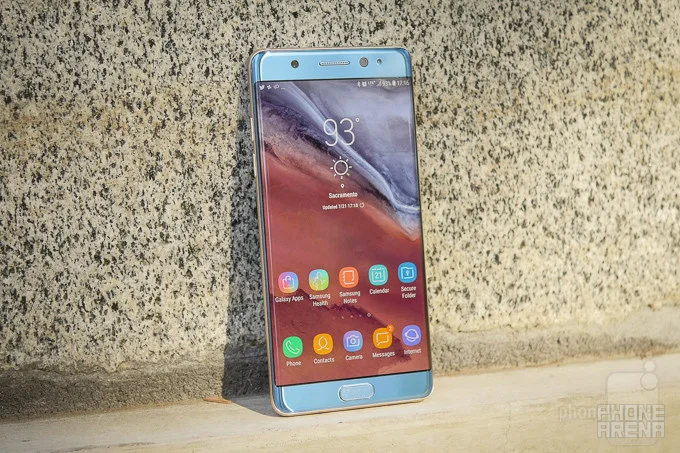
The global smartphone industry in 2026 is dominated by massive foldable displays, multi-lens camera matrices, and local artificial intelligence platforms. Yet, inside the budget-friendly and nostalgic tech segments, unique historic devices still attract a lot of user attention. Standing out as a fascinating relic of smartphone history is the Samsung Galaxy Note FE (Fan Edition). Originally launched as a safe, deeply engineered rebirth of the ill-fated Galaxy Note 7, this phone re-entered the market to give Note enthusiasts a secure flagship experience.
In 2026, the Samsung Galaxy Note FE acts as a time capsule, offering hardware premium luxury traits at a rock-bottom price tag.
While it cannot compete with modern internal components, it provides one massive advantage that no other phone in its price tier can offer: the iconic, physical S Pen stylus ecosystem.
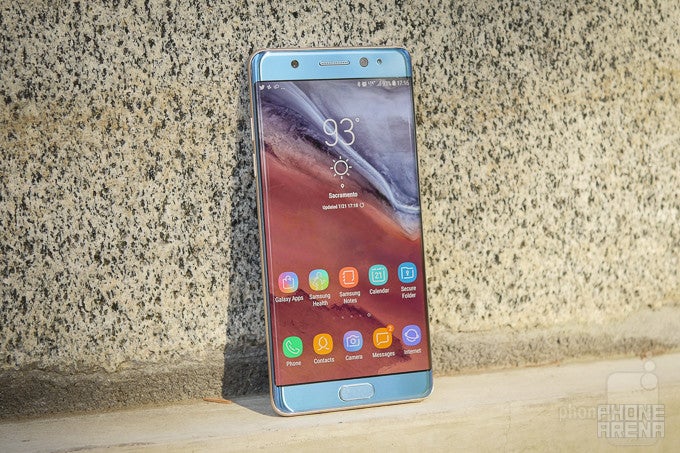
Let let us review the structural and technical details that define this unique classic smartphone:
Samsung Galaxy Note FE Technical Specifications Overview
| Feature | Detailed Specification |
| Display Panel | 5.7-inch QHD (1440 x 2560) Super AMOLED, Classic 16:9 Aspect Ratio |
| Processor Platform | Samsung Exynos 8890 (Legacy 14nm Octa-Core Chipset) |
| RAM & Storage | 4GB LPDDR4 RAM | 64GB UFS 2.0 Internal Flash Memory |
| Storage Expansion | Supports up to 256GB External Memory via Hybrid MicroSD XC Slot |
| Rear Camera Optics | 12MP Single Sensor (f/1.7, Dual Pixel PDAF, Hardware OIS) |
| Front Selfie Optics | 5MP Front-Facing Camera (f/1.7, Smart Dual Video Call Support) |
| Battery Capacity | 3,200mAh Safe-Inspected Lithium-Ion Battery Cell |
| Charging Speeds | 15W Adaptive Fast Wired Charging | Qi Wireless Charging Support |
| Build & Protection | Curved Gorilla Glass 5 Front/Rear, Aluminum Frame, Certified IP68 Resistance |
| Biometrics Security | Front Physical Fingerprint Scanner + Hardware Iris Eye Scanner |
| OS & Productivity | Android 9.0 Pie (Legacy Samsung One UI 1.0, Final Software Update) |
2. Iconic Design: Premium Curved Aesthetics That Aged Gracefully
The structural appearance of the Samsung Galaxy Note FE represents the absolute golden era of Samsung’s classic design language. Long before punch-hole cutouts and massive rectangular camera bumps took over the industry, this model pioneered symmetrical curved glass perfection. Melding premium Corning Gorilla Glass 5 on both the front and rear panels with an executive-grade aluminum mid-frame, it retains an incredibly rich tactile sensation that easily outclasses the cheap plastic builds of modern budget entry-level phones.
Measuring a highly compact 7.9mm in thickness and weighing an ultra-light 167 grams, the phone delivers a very comfortable, secure in-hand grip for single-handed usage.
It features the classic physical home button with an integrated fingerprint sensor on the chin, flanked by touch-sensitive capacitive navigation keys.
Furthermore, despite its age, the chassis features an official IP68 dust-tight and waterproof rating, meaning it can survive basic accidental drops into clean water pools.
3. Super AMOLED Screen: Gorgeous QHD Resolution Defying Time
Even when evaluated alongside the displays of mid-range devices launched in 2026, the screen on the Samsung Galaxy Note FE remains absolutely beautiful. The device carries a 5.7-inch Super AMOLED panel pushing a stunning Quad HD resolution (1440 x 2560 pixels). This architecture generates an incredible 518 pixels-per-inch (PPI) density, resulting in text, interface elements, and high-definition video assets looking noticeably sharper than modern 1080p budget displays.
The screen displays deep blacks, rich contrast levels, and highly vibrant color outputs native to Samsung’s high-end display panels.
The classic 16:9 aspect ratio is also exceptionally well-suited for streaming older television series or playing legacy mobile games without experiencing awkward screen cropping.
However, users must keep in mind that this panel is locked at a standard 60Hz refresh rate, meaning it lacks the ultra-smooth scrolling fluidity delivered by modern 90Hz or 120Hz budget displays.
4. The Iconic S Pen Experience: An Unbeatable Productivity Tool
The primary reason anyone considers buying the Samsung Galaxy Note FE in 2026 is the built-in S Pen stylus housed cleanly within the bottom edge of the frame. Unlike capacitive stylus accessories that provide basic touch tracking, this is a native, hardware-integrated tool utilizing Wacom technology to support up to 4,096 levels of precise pressure sensitivity.
The stylus requires no internal battery charging or Bluetooth connectivity to perform its core functions.
Users can pop the pen out instantly to access Screen-Off Memo to jot quick notes on a dark screen, translate text snippets, create detailed digital artwork drawings, or capture precise smart screenshots.
For students, journalists, and professionals working on highly limited budgets, this feature alone provides immense value that no modern $100 phone can recreate.
5. Performance and Connectivity Realities in 2026
Under the hood, the Samsung Galaxy Note FE runs on the legacy 14nm Samsung Exynos 8890 octa-core processor paired with 4GB of RAM and 64GB of expandable UFS 2.0 storage. In 2026, this hardware configuration hits very clear performance limits. While daily basic apps like Facebook, Messenger, YouTube streaming, and standard web browsing run adequately, heavy multitasking or complex software tools will cause noticeable system lag.
Modern, graphically demanding mobile game titles like Genshin Impact or PUBG Mobile are virtually unplayable here, causing severe frame drops and immediate thermal throttling.
On the connectivity front, the device is completely limited to 4G LTE wireless networks.
The absence of modern 5G network support means you will miss out on the ultra-high-speed mobile data connections that are standard across 2026.
6. Critical Hardware Warnings: Battery Life and Outdated Software
Prospective buyers must approach the Samsung Galaxy Note FE with severe caution regarding its battery and software status. The device carries a downsized 3,200mAh battery cell, which was downscaled from the original Note 7 to guarantee absolute physical safety. When combined with a high-resolution QHD screen and an aging 14nm processor, battery life is below average, netting just 3 to 4 hours of active screen-on time. Furthermore, since these are older used or old-stock devices, physical battery degradation is highly likely, requiring an immediate replacement.
The software situation presents an even bigger hurdle. The device received its final official software update years ago, stopping at Android 9.0 Pie running the original One UI 1.0 interface.
Because it has not received Google security patches for years, the device faces potential software security risks.
Additionally, an increasing number of modern financial, banking, and social media applications in 2026 have stopped supporting Android 9 entirely, which can severely limit your app compatibility.
7. Key Advantages and Drawbacks of Samsung Galaxy Note FE
To help you evaluate this nostalgic choice carefully, here is an objective breakdown of the pros and cons of this vintage phone:
Pros and Cons Comparison
| Key Advantages (Pros) | Drawbacks to Consider (Cons) |
| Ultra-low price point makes it an incredibly cheap S Pen option | Outdated Software: Stuck on Android 9 with security vulnerabilities |
| Premium glass and metal curved body with a sharp QHD display | App Incompatibility: Many modern banking/utility apps will not install |
| Native, highly precise S Pen stylus functionality out of the box | No 5G Support: Limited entirely to older 4G LTE cellular networks |
| Officially certified IP68 dust and waterproof structural resistance | Weak Battery Stamina: Small 3,200mAh cell suffers from natural aging |
| Includes legacy hybrid MicroSD slot and a 3.5mm audio port | Performance Limits: Aging Exynos 8890 struggles with heavy apps |
8. Final Verdict: Is the Galaxy Note FE Worth Buying in 2026?
The Samsung Galaxy Note FE remains an iconic and legendary piece of mobile smartphone history. For a rock-bottom price point floating around 2 to 3 million VND on the used marketplace, it serves as a fascinating novelty for tech collectors or an exceptionally cheap digital notepad for budget users who explicitly need an S Pen for basic drawing or document signing.
However, due to its severely outdated Android 9 software, lack of 5G connectivity, and app compatibility limitations, it cannot be recommended as a reliable primary device for daily long-term use.
Avoid it if you need security and app longevity, but buy it as a secondary, highly nostalgic backup productivity tool that still carries an undeniable flagship charm.
